|
Giving a Race Soul
Every weekend, thousands of runners, swimmers and cyclists line up at events around the world. Most are well organised, enjoyable but quickly forgotten.
However, a select few become something far bigger than "just another weekend race". They develop an identity, a personality and ultimately, a soul. These are the events that continue to grow and have the potential to become iconic events.
So what is it that separates these events from the countless others that simply occupy a line on the sporting calendar? Mention races like the Comrades Marathon, the Tour de France or the Cape Epic and people immediately associate them with something deeper than distance or results. They evoke emotion, history, suffering, camaraderie, beauty or prestige. Long after finish times have faded, the stories and memories endure.
Race directors all aspire to create events that become iconic and sell out year after year. The foundation of achieving this lies in building a distinct race identity – but what is it that truly gives a race its personality and appeal?
There five main characteristics:
1. A Defining Challenge
One of the most important ingredients in creating a strong race identity is a defining challenge – something that sets the event apart and gives it character. It could be a brutal climb that tests every rider, a cut-off time that demands both courage and strategy, extreme weather conditions, or an unforgiving distance that pushes participants to their limits. These challenges become the stories athletes tell long after the finish line. A good example of this is the Cape Epic, known to be a gruelling challenge which has earned enormous respect in mountain bike circles.
2. Traditions
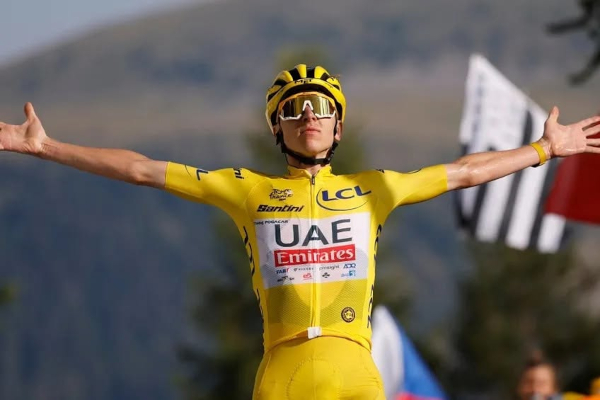
Traditions can also play a massive role in shaping a race’s identity. These are the elements that participants begin to associate with the event, whether it’s a unique start ritual, a famous section of the route, a special medal, or a finish-line tradition. Traditions are remembered, and in turn create familiarity, emotion and a sense of belonging, turning first-time participants into lifelong supporters. For example the yellow jersey in the Tour de France, the cock crow at the start of Comrades – and the cruel cut-off gun at the finish.
3. Route Personality
A race route should be more than just a way of getting from the start to the finish – it should have personality. The most memorable events are often defined by iconic climbs, spectacular scenery, technical sections, or stretches of road and trail that participants immediately associate with the race. Riders and runners begin to form an emotional connection with certain parts of the route, whether it’s a brutal climb they fear, a descent they love or a viewpoint they never forget. For example scenic Chapman’s Peak in Two Oceans, brutal Polly Shortts in Comrades and the legendary Alpe d’Huez climb in the Tour de France
4. Emotional Stories
The races that leave the biggest impression are often those that produce powerful emotional stories. Moments of triumph, heartbreak, perseverance and personal achievement give an event meaning far beyond results and finish times. It may be an elite athlete overcoming adversity, a backmarker beating the cut-off, or an ordinary participant achieving a lifelong dream. These stories create emotional connections that inspire others and become part of the race’s identity over time. A perfect example of this is the Comrades Marathon, where exhausted runners desperately chase the final cut-off while sometimes sacrificing their own race to help fellow competitors reach the finish line.
5. Community Culture
A strong community culture is often what transforms a good race into a beloved one. The atmosphere created by participants, supporters, volunteers and organisers can leave as much of an impression as the route itself. When participants feel welcomed, connected and part of a shared experience, they are far more likely to return year after year. Examples of this include the famous Wellesley Scream Tunnel at the Boston Marathon and the passionate supporters lining the mountain climbs of the Tour de France.
So if you are looking to launch a new event, or already have one that is struggling to gain momentum, perhaps it is time to think about what could give your race a true identity. The best marketing possible, and the goal of every event organiser, is to transform a race from just another event on the calendar, into an experience people dream about, talk about and return to year after year.
What do you need help with as an event organiser? If there is an area of organising you would like to know more about, send a mail to tim@finishtime.co.za and we will see if we can find some info for you.
|