|
A Master Class in Crisis Communication
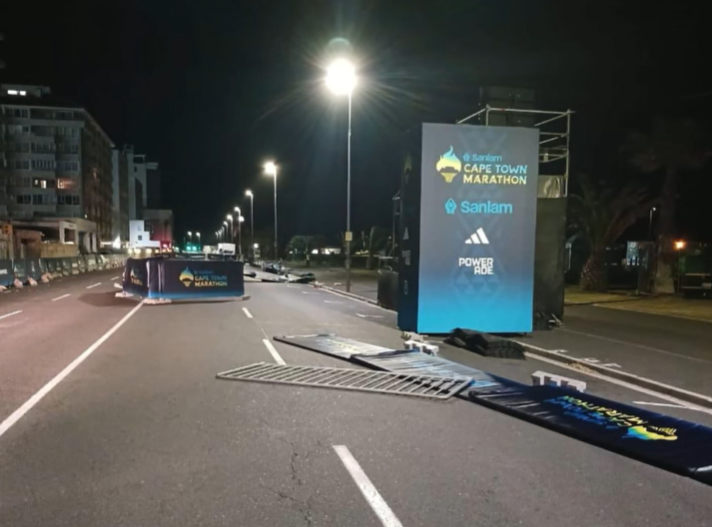
What keeps many event organisers awake at night isn’t just managing the countless details leading up to their event. The looming possibility of being forced to cancel and having to communicate this on the morning of the race is a nightmare no race director ever wants to endure.
In the early hours of the morning of 18 October, the organisers of the Cape Town Marathon were faced with this difficult scenario when they were forced to cancel their event due to safety reasons after high winds damaged crucial infrastructure. There has been much discussion about whether they made the right decision or not, but what is not up for debate is the master class they gave in crisis communication.
According to the website, accidents.co.za, the Cape Town Marathon organisers demonstrated the four key essentials of effective crisis communication:
1. Consistency
Decisions of this size typically trigger chaos, but the response was characterised by calm, consistent, and coordinated messaging across all platforms, Facebook, Instagram, and WhatsApp. It was evident that a plan was in place. This preparation, rather than improvisation, was the key. In a true crisis, consistency is the foundation of credibility.
2. Empathy
The message was defined by empathy and clarity. The simple, sincere affirmation that runner safety was the priority served as the non-negotiable anchor for all subsequent communications. By centring on this value, they strategically pre-empted far worse criticism that would have inevitably followed a tragic incident, had the race continued.
3. Leadership
Hearing directly from CEO Clark Gardner made a crucial difference, as people naturally seek the voice of authority and accountability during a crisis. His video message was effective in replacing speculation and fostering understanding of the decision.
4. Transparency
The timing of the announcement faced scrutiny, and while an earlier decision may have been possible, it's fair to assume the team prioritised due diligence-consulting officials and exhausting all options before making the definitive call. More importantly, communication did not cease with the initial news. The immediate and continuous follow- up on critical details like refunds, medals, and entries showed that trust is built, not by achieving perfection, but by delivering ongoing, transparent updates.
Even though the organisers followed an almost text book crisis communication plan, there still has been some criticism about the delay between the initial communication to the runners and comprehensive details as to why the event was cancelled. The gap between the announcement and an official explanation left room for speculation, allowing doubts about the organisers’ professionalism and judgement to spiral.
In real terms there was only a 90-minute gap between the direct communication to runners (WhatsApp/SMS) and the official press release. Given the corporate necessity for approvals and red tape involved in such a major announcement, and factoring in the difficulty of coordinating various stakeholders on a Sunday morning during a major crisis, this delay was minimal. Anyone familiar with corporate sign-off processes will recognise this turnaround as highly efficient and remarkably quick.
Should they have included more detail in the initial message? It’s important to remember that, at that point, their priority was to get an urgent message out to 22 000 runners, instructing them not to travel to an unsafe venue. It simply wasn’t the right time to provide lengthy explanations.
The other criticism is that runners were told shortly after the cancellation that entry fees would not be refunded, and only later was it announced that Sanlam had agreed to sponsor all runners’ entries into the 2026 race. Should this all have been discussed before making the announcement? From a PR perspective, that may indeed have been the better approach. However, what cannot be criticised is their transparency and communication.
As each scenario unfolded, they kept runners informed every step of the way.
What do you need help with as an event organiser? If there is an area of organising you would like to know more about, send a mail to tim@finishtime.co.za and we will see if we can find some info for you.
|