|
Five Things Participants Don't Notice...
Until They Go Wrong
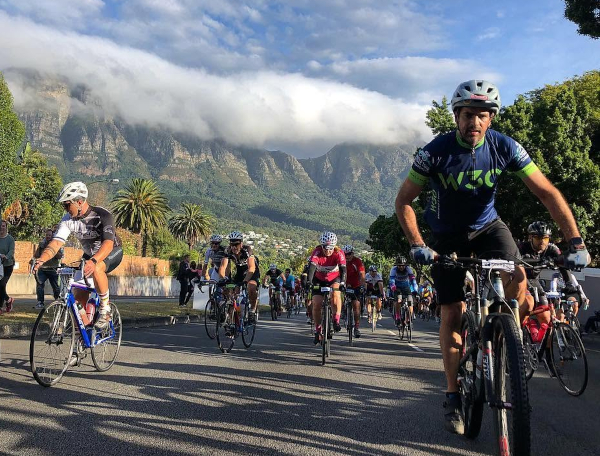
Every race director has a Plan A. The experienced ones also have a Plan B, Plan C and probably a few ideas they hope they never have to use. What defines a good race director is the ability to stay calm when circumstances change, make sound decisions under pressure, and have contingency plans in place for every eventuality.
The best-run events often feel effortless to participants precisely because so much work has gone into making them that way. When something fails, however, athletes suddenly become very aware of the systems behind the event.
Here are five things participants rarely think about until they don’t work.
1. Timing
For most competitors timing is almost invisible.
They cross the start line, compete in their event, cross the finish line and expect their time to appear. But behind that seemingly simple process are timing points, equipment, backup systems, data management, start and finish procedures and the reconciliation of results.
And participants don't just want a time any more. They expect live results, split times, leaderboards, finish notifications and sometimes tracking.
A good event doesn't rely on one piece of technology. There should be alternative ways of capturing or verifying results if the primary system fails.
But having a backup system sitting in a box isn't enough. The operators need to know:
• how to switch to it quickly
• what information needs to be captured
• how to reconcile the backup data with the primary system afterwards and
• who has authority to make the decision to change systems
This is why choosing an experienced, reputable timing company is so important. When something goes wrong, experienced operators can often identify the problem almost immediately and more importantly, know exactly what needs to happen next.
2. The Route Isn't Available
Roadworks, accidents, construction, flooding or a late permit issue can suddenly make your carefully planned route impossible and as you probably know changing the route isn't simply changing a line on a map. It can affect almost every part of the event. This is why a good contingency plan needs to be in place with:
• An alternative route
• Additional marshals
• Revised signage
• Changes to timing points
• Communication with participants
• Updated GPS files
• Adjustments to distances
If these scenarios haven't been considered and planned for well before race day, trying to come up with solutions the day before or worse, on race day itself, can quickly turn a manageable problem into a disaster.
3. A Supplier Lets You Down
• The truck doesn't arrive.
• The generator doesn't work.
• The barriers are late.
• The equipment has a problem.
• The supplier's vehicle gets stuck in traffic.
These are the moments when relationships and experience matter. A race director needs to know not only who is responsible for fixing the problem, but what the alternative is if it can't be fixed.
4. Entries Don’t Go According To Plan
There are two sides to this.
An event can have fewer entries than expected, creating financial pressure or it can have far more participants than anticipated, creating logistical pressure.
Extra entrants affect parking, toilets, water, medals, shirts, timing, start waves, medical provisions and almost everything else.
Success can therefore create its own problems.
5. The Unexpected Happens On Race Day
Every race director has a story (as “The Good, The Bad And The Ugly” demonstrates so well):
• The timing point that couldn't be reached
• The road that suddenly wasn't closed
• The VIP who arrived at the wrong entrance
• The weather that ignored the forecast
• The truck that broke down
• The volunteer who didn't arrive
• The signage that mysteriously disappeared as it was eaten by a cow
• The participant who took a wrong turn despite three signs telling them otherwise
As race directors you have probably experienced most of the situations above – things that were completely beyond your control. That is why a good race plan isn't one that assumes everything will go right.
It's one that asks: What happens if it doesn't?
What do you need help with as an event organiser? If there is an area of organising you would like to know more about, send a mail to tim@finishtime.co.za and we will see if we can find some info for you.
|