|
IRONMAN Opt For a “No Image” Policy
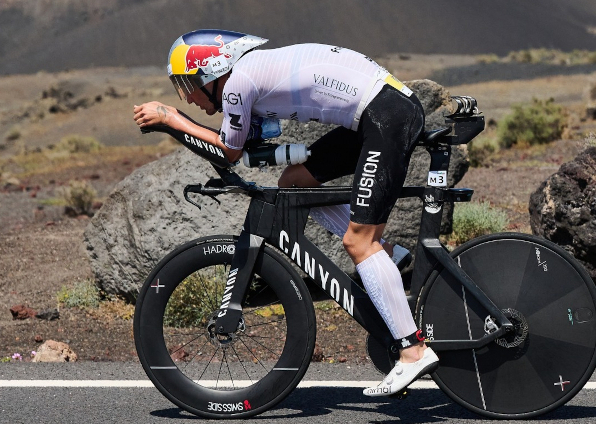
In February this year, IRONMAN updated its Global Competition Rules introducing a complete ban on any form of on-course image recording. In an era where social media is deeply woven into endurance sport culture, the decision was both bold and controversial.
Their rule is very clear: No phones, GoPros, action cameras, or Oakley Meta smart glasses for content creation is allowed by competitors on the course. Any athletes caught recording mid-race will result in immediate disqualification – there are now no grey areas.
In 2017, IRONMAN instituted a rule that athletes couldn’t use devices in a “distractive manner” during a race. The problem with this rule was that it was too undefined – what counts as distractive? Does a selfie mid race, or face-timing a friend to show them the view, or a quick glance at your GPS fall into this category? It became clear to IRONMAN organisers that they needed to draw a clear line in the sand, and so they did.
IRONMAN maintains that the policy is designed to safeguard athlete safety, ensure fair competition, and preserve the integrity of the race. With thousands of competitors on course, even a momentary distraction caused by handling a camera or adjusting equipment at high speed can pose a serious risk. The organisation also stated that professional race coverage is already provided by its official media and broadcast teams, meaning athletes filming themselves were not addressing any real shortfall.
This decision by IRONMAN raises the question of whether other events should do the same.
For marathon organisers, the cameras-and-content debate truly came to a head in November 2024. Matt Choi, a Texas-based runner and social media creator with over 465,000 TikTok followers, ran the 2024 TCS New York City Marathon with two members of his team riding alongside him filming. Despite running a 2:57:15 time, he was disqualified the next day and banned from all future NYRR events for violating their code of conduct and World Athletics competition rules. The e-bikes had blocked other runners at water stations and created hazards on the course.
There is no doubt that social media has played a major role in the growth of endurance sports over the past decade. Platforms like Instagram, Facebook, YouTube, Strava, and TikTok have made events such as marathons, triathlons, ultra races, and cycling challenges far more visible and aspirational. Many endurance athletes now document and share their journeys on social media, similar to professional media channels. According to Marathon Handbook, some have more followers than mid-sized sports publications. Telling them to race without creating content is, in some cases, asking a genuine professional to stop doing what they do to earn a living. Not only this but the race also gets great publicity absolutely free.
The challenge for endurance events is not whether social media should be part of the experience but rather how to balance the enormous promotional value it brings with the very real responsibility of keeping athletes safe. The solution likely lies somewhere in the middle. Instead of blanket bans or unrestricted filming, organisers could introduce clearer rules around where and how content may be captured.
Designated filming zones, stricter controls on moving cameras and e-bikes, approved athlete creators, and safer hands-free technology could allow events to retain the storytelling and marketing power of social media without compromising safety or competitive fairness. Even though participant-generated content has become one of the most powerful tools endurance sport has for inspiring new athletes and growing events globally, no viral clip is worth putting competitor safety at risk.
What do you need help with as an event organiser? If there is an area of organising you would like to know more about, send a mail to tim@finishtime.co.za and we will see if we can find some info for you.
|