|
Should Races "Lose the Swag"?
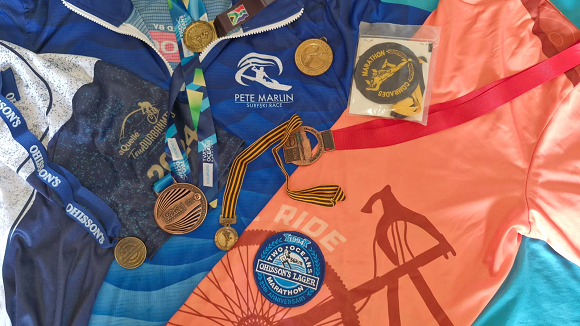
The costs of putting on an event are significant and organisers often battle just to cover their costs, let alone make a profit. In many cases costs are exacerbated because event organisers try to meet entrants’ expectations of receiving free race shirts, medals and goody bags. But in Canada, some event organisers are moving away from the traditional model and are organising events without the “swag”, not only with environmental sustainability in mind, but also in an effort to reduce costs for both themselves and their participants.
There are pros and cons to events having fewer perks but being cheaper, and making this decision should depend on the event’s goals and target audience. Lowering costs can make the event affordable for more people. On the other hand, reducing the perks might diminish the perceived value and overall experience of the event for others.
So let’s look at the pros of cheaper events with fewer perks.
Increased Accessibility: Hopefully by reducing costs, you will be able to reduce entry fees which will make the event accessible to more people, including those with limited budgets. This could result in a bigger field and enable you to make a better profit.
Focus on Core Value: By streamlining perks, event organisers can focus on the core value proposition of the event like a great course, well-stocked water tables, safety and accurate timing. This could make the event more financially sustainable by allowing you to focus on delivering high-quality experiences without overspending.
Eco-friendly: With sustainability becoming a priority, a lot of entrants will happily forgo their medal in an effort to save the environment. Some entrants, particularly those who are new to a sport, might want a medal as a symbol of their achievement, but most seasoned participants know that they end up just lying in the back of their drawer and ultimately in a landfill site. Getting participants to carry cups or bottles with them so that one-use cups don’t have to be provided at water tables, is also a way of being eco-friendly and saving money.
So what are the cons of cheaper events with fewer perks?
Perceived Lower Value: If the perks are reduced, entrants might perceive the event as being of lower quality. Even though this may not be the truth, it could lead to lower satisfaction and engagement. If participants feel they are not getting enough value for their money, they might be less likely to do the event again or recommend it to others.
Reduced Experience: Of course fewer perks might actually lead to a less enjoyable experience for some of the entrants and this could also potentially deter future participation.
Difficulty in Attracting Sponsors: Reduced perks might make it harder to attract sponsors who often look for ways to enhance the overall event experience. Branding on race shirts and medals is also a great way for sponsors to get exposure.
If you are worried that adopting a “no swag” policy might be too risky, but need to reduce your event’s overheads, here are some alternative strategies which provide a middle ground.
Tiered Pricing: This would involve offering entrants different entry options with varying perks and prices allowing them to choose if they would rather go for a cheaper, “bare-bones” entry or a more expensive option with the added extras.
Focus on Quality Over Quantity: When marketing the event, you need to communicate clearly that you have prioritised delivering a high quality event rather than focussing on perks. You need to highlight the benefits of attending, even if perks are reduced.
Consider Virtual Events: Virtual events can often be more cost-effective than in-person events, allowing organisers to offer a wider range of perks without increasing costs.
Explore Sponsorship Opportunities: Find sponsors who will partner with you so that you are able to provide perks without increasing the entry price.
What ever you decide, it might be worth remembering that trail races all over the world have long been fans of minimalist racing. They keep entry costs lower by cutting the “swag” and focussing on the experience rather than the extras. Trail runners have embraced this no-frills approach for years, and now, it’s making its way into other events. With more entrants prioritising affordability and sustainability, the days of mandatory race swag might be numbered.
What do you need help with as an event organiser? If there is an area of organising you would like to know more about, send a mail to tim@finishtime.co.za and we will see if we can find some info for you.
|